

Looking for expert legal advice?
Contact us today and speak to a member of our team. Find out if you could be entitled to compensation.
CALL 0800 083 5500
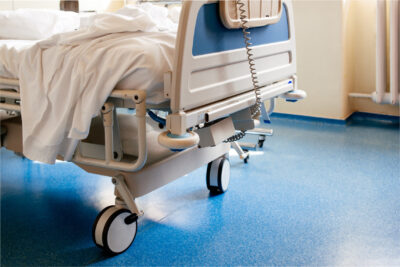
Pressure ulcers are areas of damage to the skin and underlying tissue caused by prolonged pressure, friction or shearing. They most often develop on bony areas of the body such as the heels, hips, elbows and tailbone, and they are more likely to occur when a person has limited mobility, fragile skin, poor circulation, incontinence, poor nutrition, or has recently undergone surgery. They have long been considered avoidable with proper care.
Certain individuals are more susceptible to pressure ulcers and therefore hospitals, care homes and community care providers should identify patients who are at risk, record that risk clearly, put a prevention plan in place and review it regularly. This may include helping the person to change position, using pressure-relieving mattresses or cushions, checking the skin, supporting hydration and nutrition, and escalating concerns where skin damage appears.
People who have suffered a hip fracture are often at particular risk because pain, frailty and immobility can make it difficult to move independently. Whilst this may only be a small overall percentage of the 24,500 individuals who suffered a pressure ulcer last year, it has long been documented that hip fractures can result in pressure ulcers. Data captured by The Nuffield Trust shows that 3.4% of patients developed a pressure ulcer (grade 2 or above) following a hip fracture, up from only 2.2% in July 2019.
Inadequate repositioning and mobilisation or a failure to provide suitable pressure-relieving equipment may leave a patient confined to a bed or a chair for extended periods of time. When pressure is allowed to build on the same area of skin, tissue damage can occur and may worsen quickly without prompt treatment.
A pressure ulcer may give rise to a pressure ulcer claim if it developed, worsened or was left untreated because appropriate steps were not taken. Examples may include failing to carry out a pressure ulcer risk assessment, failing to reposition a patient, not providing suitable mattresses or cushions, poor wound monitoring, inadequate record keeping, delayed referral to specialist tissue viability services, or failing to act on clear signs of deterioration.
Not every pressure ulcer is caused by negligence, and each case will depend on the medical records and the individual circumstances. However, where avoidable harm has occurred, a claim may help secure compensation for pain, suffering, care needs, rehabilitation, additional treatment costs and other financial losses.