
Have you or a loved one suffered from dental negligence?
Have you or a loved one suffered from dental negligence?
CALL 0800 083 5500
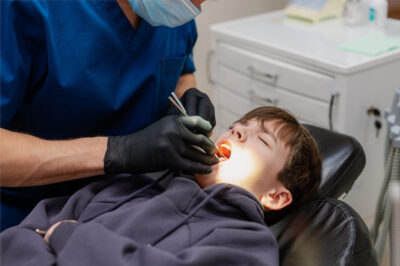
Children depend on dental professionals to provide careful, competent, and age-appropriate care during key stages of their growth and development. A dentist’s role goes beyond simple treatment, it involves monitoring how a child’s teeth, gums, and jaw are developing, ensuring that treatment is safe, necessary, and carried out to a proper standard.
Dental negligence occurs when a dental professional provides treatment that falls below the standard of a reasonably competent practitioner, and that failure causes harm. In paediatric cases, the standard of care must take into account the child’s age, cooperation, and developmental stage.
Negligence in children’s dentistry can arise in several ways, including:
Orthodontic care must be carefully planned and regularly reviewed. Common examples of negligent orthodontic work include:
Incorrect orthodontic care can cause permanent root damage, loss of teeth, or require further corrective treatment in later years. In some cases, the damage is not apparent until adulthood. Delays in diagnosis can cause lasting damage to permanent teeth beneath the baby teeth, sometimes affecting how adult teeth erupt or align.
Procedural negligence may include:
Infections following dental procedures can have serious consequences for a child’s general health and wellbeing, particularly if left untreated.
Before any dental procedure, proper consent must be obtained. For minors, this usually means consent from a parent or guardian unless the child is old enough and mature enough to provide their own informed consent.
Negligence may occur if parents are not given full information about risks and alternative options. leaving parents unaware of the potential consequences and unable to take the best decision for their child. Effective communication is essential to ensure that treatment is safe and lawful.
Every dental professional owes a duty to exercise reasonable care and skill. In legal terms, the standard is based on the Bolam test whether the treatment would be supported by a responsible body of dental opinion. This is refined by the Bolitho principle, which requires that professional opinion be logical and defensible.
It must also be proven that the negligent act or omission directly caused the harm suffered. This often requires expert dental evidence to show that, but for the dentist’s failure, the injury or complication would not have occurred. For example, an expert may conclude that if decay had been identified earlier, the tooth could have been saved.
For adults, the limitation period to bring a clinical negligence claim is three years from the date of the negligent act (or knowledge of it). For children, that three-year period does not begin until their 18th birthday meaning most claims can be issued at any point up to their 21st birthday. Where a child lacks mental capacity, limitation may be extended indefinitely.
Dental negligence claims are evidence-based. Success depends on clear documentation of both the treatment and its consequences. The essential evidence are the dentistry records and imaging, report of an independent expert and testimony of the child and family.
Typically, an expert dentist will provide evidence on breaches of duty and causation in general dentistry. If a claim relates to specialist treatment such as implants or extensive restorative dentistry, input from an expert Prosthodontist may be sought. This ensures that the claim is supported by objective, specialist opinion and that all past losses and future anticipated losses are captured in the claim.
Where the harm has long-term cosmetic or orthodontic consequences, future treatment costs may form a significant part of the claim.
If you believe your child has been affected by negligent dental treatment:
A solicitor will assess the merits of the claim, obtain expert reports, and advise on whether the standard of care was breached and what compensation may be recoverable.
In addition to a civil claim, concerns can be reported to the General Dental Council (GDC), which regulates dental professionals. If you believe your child has suffered avoidable harm, our specialist medical negligence solicitors can advise on whether you may have a claim.