
Have you or a loved one suffered?
Speak to one of our expert solicitors today to find out if you could be owed compensation?
CALL 0800 083 5500
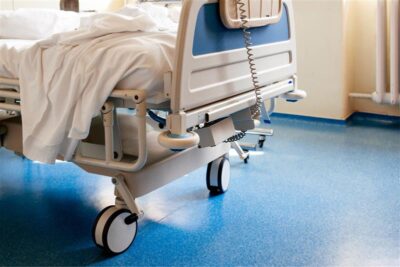
The number of mixed-sex accommodation (MSA) breaches across NHS hospitals in England has seen a notable increase in the 2024/25 reporting year, with 50,637 breaches recorded, up from 44,287 in 2023/24. This marks a 14.3% year-on-year rise, raising further concerns about hospital capacity, patient privacy, and infrastructure pressures.
MSA breaches occur when patients are required to share sleeping areas or bathroom facilities with members of the opposite sex in non-emergency settings, in breach of NHS privacy standards. These situations are considered serious violations of patient dignity and are subject to strict guidelines by NHS England.
The data reveals a consistent upward trend across several months:
Overall, every month in 2024/25 saw higher MSA breaches than the same month in the previous year, except for February and August.
This continued rise suggests that hospitals are facing growing challenges in meeting NHS requirements for single-sex accommodation. High occupancy rates, staffing shortages, and pressures on hospital infrastructure are all likely contributing factors.
Health experts and patient advocates have raised alarms over the impact on vulnerable patients. Sharing accommodation with the opposite sex, particularly in a medical setting, can lead to considerable psychological distress and feelings of exposure.
Jason Brady, Partner & Head of Blackwater Law said: “Mixed-sex accommodation breaches in NHS wards are a concern. These are breaches of NHS privacy standards based on their own policies. These breaches can cause a loss of privacy and dignity for patients and can also cause psychological distress, especially for those who are already vulnerable.
Patients may feel exposed and anxious in mixed environments in these circumstances, which can adversely affect their well-being and recovery. Maintaining single-sex wards isn’t just about meeting NHS policy, it is about maintaining standards of patient safety and avoiding the risk of patient harm.”
NHS policy mandates that patients in elective and routine care settings should not have to share sleeping or bathroom facilities with the opposite sex. Exceptions may be made in urgent or critical care settings, but such cases should be limited and followed up with appropriate safeguards and communication.
Despite long-term efforts to reduce MSA breaches since data collection began in 2010, the current trend signals a reversal that may require renewed focus from NHS leadership and additional funding to address structural limitations.
With more than 50,000 breaches recorded over the past 12 months, healthcare leaders may be pressed to re-evaluate current strategies for ensuring compliance with privacy standards. Addressing root causes, such as bed shortages, outdated ward layouts, and capacity constraints will be critical to reversing this trajectory and restoring confidence in the dignity and safety of patient care environments.